Chemichemi Health Services
Blood urea

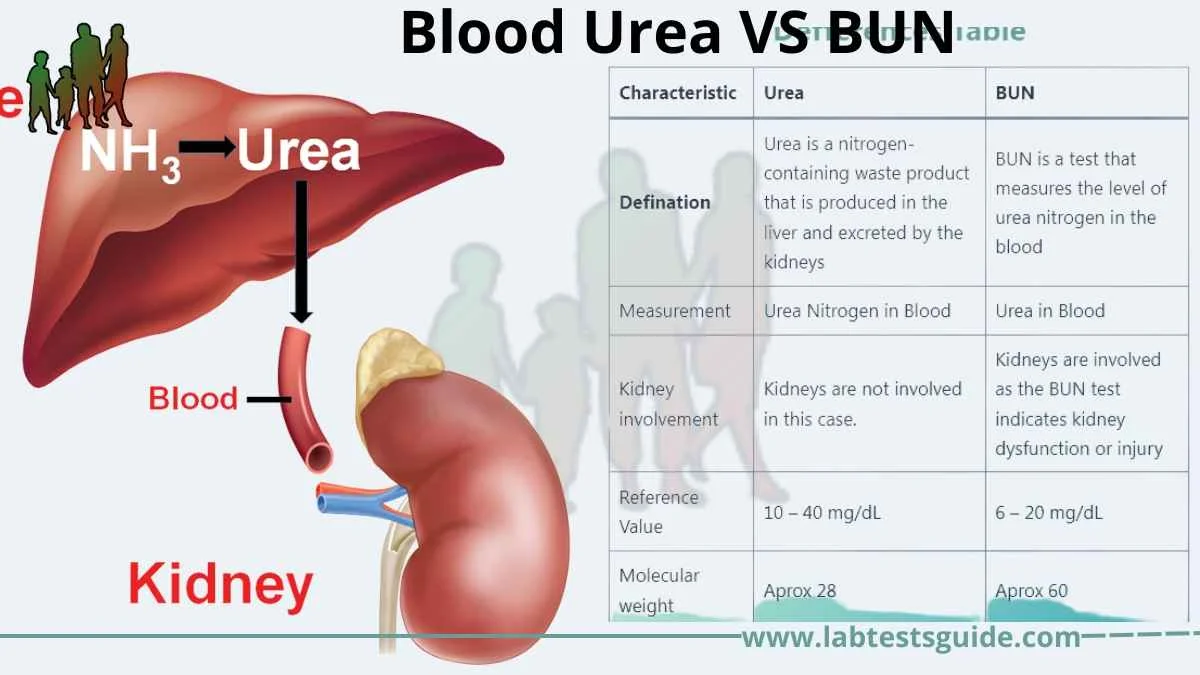
The urea test (often called the Blood Urea Nitrogen or BUN test) measures the amount of urea nitrogen in blood to check how well your kidneys and liver are working. Urea is a waste product formed in the liver when the body breaks down protein. The kidneys filter urea from the blood and excrete it in urine. A urea test (or BUN test) measures the concentration of urea nitrogen in the blood to assess kidney and liver function.

The test is used to: Evaluate kidney health and detect kidney disease; Monitor liver function since urea is produced in the liver; Check protein metabolism in the body; Investigate symptoms like fatigue, swelling, or changes in urination; Monitor chronic conditions such as diabetes, hypertension, or heart disease.

Reference Ranges

  • Adults: 7–20 mg/dL (may vary slightly by lab).
  • Children: Lower ranges are common.
  • Older adults: Levels may be slightly higher.
    (Always check with your health provider for lab-specific ranges.)

High urea levels may indicate kidney disease, dehydration, high protein intake, or heart failure. Low urea levels could suggest liver disease, malnutrition, or overhydration. BUN-to-creatinine ratio is often measured together to give a clearer picture of kidney function.

Proteinuria

 Protein Test in Urine (Proteinuria)

A urine protein test measures the concentration of protein in urine. Normally, kidneys filter waste products while retaining proteins such as albumin in the blood.  Proteinuria, it may signal kidney damage or other health problems. Protein concentration in urine is usually reported in grams per liter (g/L) or milligrams per deciliter (mg/dL). For 24‑hour urine collections, results are expressed as grams per 24 hours (g/24 h).

Reference ranges

  1. Spot urine sample: < 0.15 g/L (150 mg/L)
  2. 24‑hour urine collection: < 0.15 g/24 h
  3. Albumin-to-creatinine ratio (ACR): < 3 mg/mmol

Monitoring helps track progression in patients with diabetes, hypertension, or chronic kidney disease. Proteinuria can be the first sign of kidney disease. Diagnosis Identifies causes such as infections, autoimmune disorders, or cardiovascular disease.

Indications for the test include; diabetes mellitus (risk of diabetic nephropathy), high blood pressure, family history of kidney disease and people experiencing swelling (edema), foamy urine, or unexplained fatigue.

The test is done with a random urine sample,  a quick test, often used for screening; 24‑hour urine collection which measures total protein excretion over a day; Albumin-to-creatinine ratio (ACR), a more precise test that adjusts for urine concentration.

Interpretation of Results

Result  Value Possible Meaning
Normal < 0.15 g/L or < 0.15 g/24 h Healthy kidney function
Mild proteinuria 0.15–0.5 g/24 h Early kidney stress, hypertension, diabetes
Moderate proteinuria 0.5–3.0 g/24 h Chronic kidney disease, glomerulonephritis
Severe proteinuria > 3.0 g/24 h Nephrotic syndrome, advanced kidney damage


Creatinine Clearance
The creatinine clearance test is a key way to check how well the kidneys are filtering waste. It measures the rate at which creatinine, a natural by product of muscle metabolism, is cleared from blood into urine. Normal values are usually between 90–140 mL/min/1.73 m² in adults. The test estimates glomerular filtration rate (GFR), which reflects kidney function. Creatinine is produced at a steady rate by muscles and is normally filtered by the kidneys. If the kidneys are not working well, creatinine builds up in the blood. Clinicians use this test to detect early kidney disease, monitor progression, and adjust medication doses that depend on kidney clearance.
How the Test is Done
Urine is collected over a 24 hour period. A blood test is taken to measure serum creatinine concentration.  The laboratory compares urine creatinine concentration, urine volume, and blood creatinine to calculate clearance in millilitres per minute per 1.73 m² body surface area (mL/min/1.73 m²).
Reference Values
Group                 Normal Range (mL/min/1.73 m²)
Adult men          100–140
Adult women    90–130
Elderly Values decline naturally with age. Children Higher relative values due to growth. Values below 60 mL/min/1.73 m² may suggest chronic kidney disease, while values above 140 can occur in pregnancy or with high muscle mass.
Patient Preparation Tips
• Hydration: Drink your usual amount of fluids; avoid excessive intake.
• Diet: Stick to your normal diet; avoid large amounts of meat before the test, as this can raise creatinine.
• Medications: Inform your doctor about any medicines you are taking, especially antibiotics or drugs affecting kidney function.
• Accuracy: Ensure all urine is collected during the 24 hour period; missing samples can make results unreliable.
What Results Mean
• Normal clearance: Kidneys are effectively filtering waste.
• Reduced clearance: May indicate kidney disease, dehydration, or obstruction.
• Elevated clearance: Sometimes seen in pregnancy or with increased muscle mass.
Important Considerations
• This test is more accurate than serum creatinine alone but can be affected by incomplete urine collection.
• A repeat the test or use other measures like estimated GFR (eGFR) may be included for confirmation.
The creatinine clearance test is a practical way to assess kidney health. By carefully following instructions for urine collection and blood sampling, patients help ensure reliable results that guide clinicians in diagnosis and treatment.
Invitation to Contribute: Guest Posts & CPD Webinar Speakers

Chemichemi Health Services is excited to open new opportunities for health professionals to share their expertise and enrich our growing platform.

Our mission is to provide clear, reliable, and practical health information—with a special focus on medical laboratory tests—ensuring both patients and practitioners have access to knowledge that empowers better healthcare decisions.

Our Continuing Professional Development (CPD) webinars via Google Meet, are designed specifically for Medical Laboratory Practitioners. These sessions foster professional growth, knowledge sharing, and community engagement.

Opportunities Available

  • Guest Posts

Practicing health professionals are invited to submit guest articles for our blog. Each submission will be reviewed to ensure it meets the needs of our audience and maintains the highest standards of clarity and relevance.

  • Webinar Speakers

Medical laboratory professionals are welcome to present topics during our CPD webinars. Collaboration details and terms will be discussed to ensure smooth and impactful sessions.

Next Steps

If you are interested, kindly send us an email (info@chemichemihealth.org) including:

  • Your credentials (professional background, qualifications, or experience).
  • A few topic suggestions that will resonate with our readers and webinar participants.

We look forward to collaborating with you to empower medical laboratory professionals and enhance patient education across Kenya and beyond.

Partner with CHS to Deliver Accredited Medical Laboratory Training

Chemichemi Health Services (CHS) warmly invites medical laboratory equipment and diagnostic reagent suppliers, as well as healthcare companies, to collaborate with us in offering structured, tractable medical education programs.

Through our platform, partners can:

  • Deliver product training and device onboarding programs at scale.
  • Provide disease area education tailored to medical laboratory professionals.
  • Deploy courses without the need to build local coordination infrastructure from scratch.

All programs offered through CHS can be accredited with CPD points by the Kenya Medical Laboratory Technicians & Technologists Board (KMLTTB), ensuring regulatory alignment and professional recognition.

We welcome your medical affairs and compliance teams to engage with us for due diligence and partnership discussions. Pricing, access settings, and revenue arrangements will be addressed during the content partner onboarding process.

Join us in advancing laboratory medicine education in Kenya. Together, we can empower professionals, strengthen compliance, and enhance patient care outcomes.

Next Steps

If you are interested, kindly send us an email (info@chemichemihealth.org)

We look forward to collaborating with you to empower medical laboratory professionals and enhance patient education across Kenya and beyond.

Erythrocyte Sedimentation Rate (ESR) Test:

Erythrocyte Sedimentation Rate (ESR)

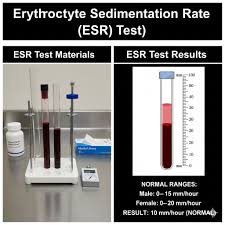
The Erythrocyte Sedimentation Rate (ESR) test is a simple blood test that helps detect inflammation in the body. It measures how quickly red blood cells settle in a tube over one hour, expressed in millimeters per hour(mm/hr). Erythrocytes are red blood cells that carry oxygen throughout the body. When blood is placed in a tall, thin test tube, red cells gradually settle to the bottom. The sedimentation rate reflects how fast this happens. Inflammation causes proteins (like fibrinogen) to make red cells clump together, so they sink faster. Thus, ESR is a nonspecific marker of inflammation.

Test is used to detect inflammation due to infection, autoimmune disease, or cancer, monitor chronic inflammatory conditions such as rheumatoid arthritis, lupus or temporal arteritis. It also essential to assess response on treatment in inflammatory diseases. Further the test can be used to investigate symptoms like prolonged fever, weight loss, or joint pain.

During the test, a blood sample is drawn from the vein. The sample is placed in a vertical tube (Westergren or Wintrobe method). The distance red blood cells fall in one hour is measured in millimeters per hour (mm/h). There are no special preparation (like fasting) required.

Reference ranges vary slightly by lab, but typical values are:

Group Normal ESR (mm/h)
Men (under 50 years) 0 – 15 mm/h
Women (under 50 years) 0 – 20 mm/h
Men (over 50 years) 0 – 20 mm/h
Women (over 50 years) 0 – 30 mm/h
Children 0 – 10 mm/h
Newborns 0 – 2 mm/h

High ESR values can indicate the presence of Infections (e.g., tuberculosis), autoimmune diseases (e.g., rheumatoid arthritis, lupus), cancers (especially blood cancers), chronic kidney disease or pregnancy (mildly elevated is normal). Low ESR values may be caused by polycythemia (too many red blood cells), sickle cell anemia and abnormal red cell shapes (affect settling). ESR is nonspecific therefore a high result does not pinpoint the exact cause and can only signal that inflammation may be present. No fasting is needed; eat and drink normally.  Medications such as some (like steroids or NSAIDs) can affect ESR results. Repeat testing may be required to monitor trends over time. ESR is often combined with other tests (like C-reactive protein, CRP) for a clearer picture.

The ESR test is a simple, inexpensive blood test that helps detect and monitor inflammation. ESR is not a diagnostic test on its own, results must be interpreted alongside other tests and your clinical history.

Hepatitis

Hepatitis Test

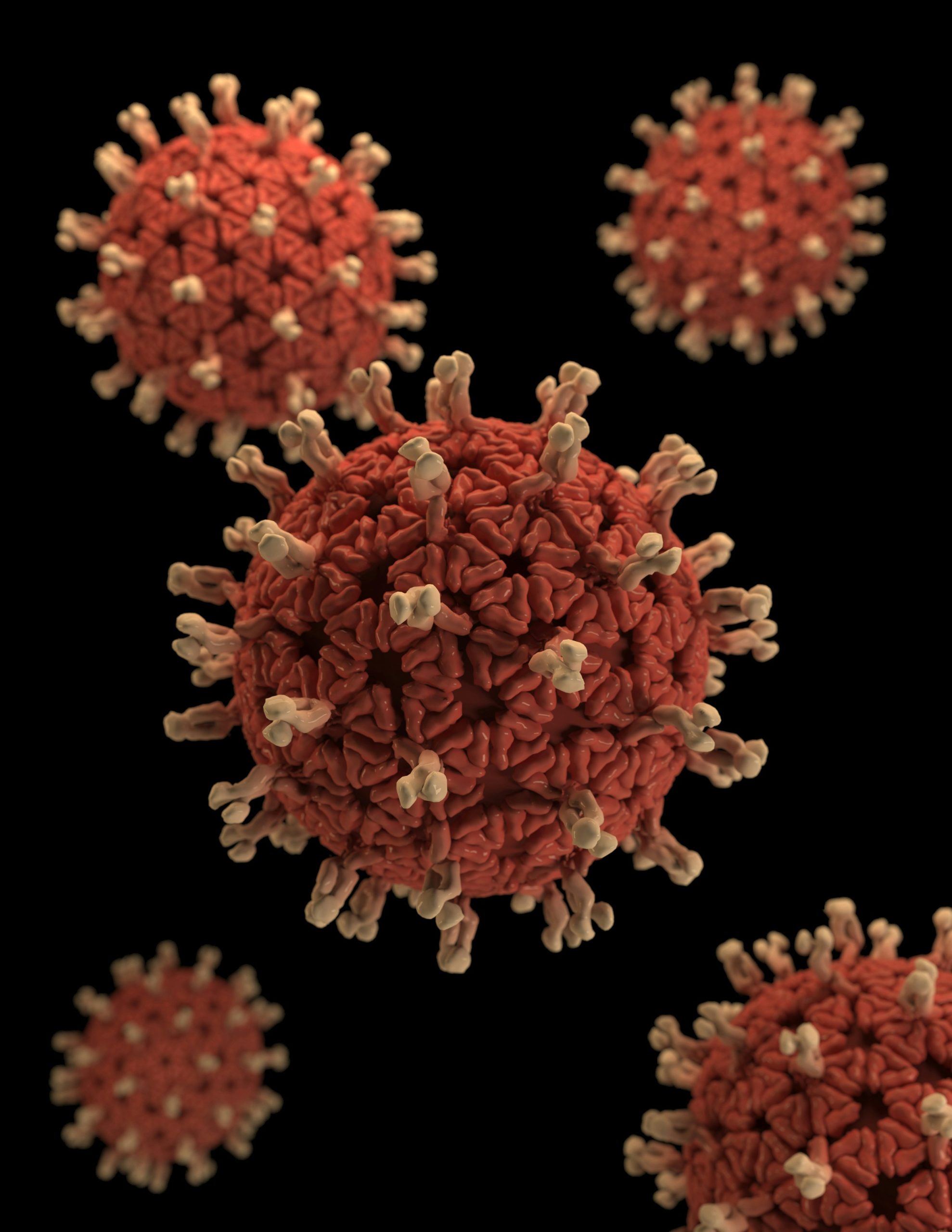
Hepatitis tests are blood tests that detect viral infections of the liver (Hepatitis A, B, C, D, and E), check immunity, and monitor liver damage. Results are reported in international units per milliliter (IU/mL), micromoles per liter (µmol/L), or qualitative “positive/negative” markers. Hepatitis means inflammation of the liver. Viral hepatitis (A, B, C, D, E) is caused by different viruses, each with unique transmission routes. If untreated, hepatitis can lead to chronic liver disease, cirrhosis, or liver cancer.

Hepatitis  tests are used to detect active infection with hepatitis viruses; check for past infection or immunity (from vaccination or recovery); monitor chronic hepatitis B or C; investigate symptoms such as jaundice, fatigue, abdominal pain, or dark urine; screen people at risk (healthcare workers, pregnant women, people with multiple transfusions, or unsafe injection practices).

Types of Hepatitis Tests

1. Hepatitis A (HAV)

  • Anti-HAV IgM: Indicates recent infection.
  • Anti-HAV IgG: Past infection or immunity.
  • Reported qualitatively (positive/negative).

2. Hepatitis B (HBV)

  • HBsAg (Surface Antigen): Active infection.
    • Reported as signal-to-cutoff ratio or IU/mL.
  • Anti-HBs (Surface Antibody): Immunity.
    • Protective immunity usually ≥10 IU/L.
  • Anti-HBc (Core Antibody): Past or ongoing infection.
  • HBV DNA (viral load): Active replication.
    • Measured in IU/mL (e.g., <20 IU/mL = undetectable).

3. Hepatitis C (HCV)

  • Anti-HCV Antibody: Exposure to virus.
  • HCV RNA (PCR): Confirms active infection.
    • Reported in IU/mL (ranges from <15 IU/mL to millions IU/mL).
  • Genotype testing: Guides treatment.

4. Hepatitis D (HDV)

  • Anti-HDV Antibody / HDV RNA: Detects infection.
  • Only occurs in people with Hepatitis B.

5. Hepatitis E (HEV)

  • Anti-HEV IgM: Recent infection.
  • Anti-HEV IgG: Past infection or immunity.

Normal and Abnormal Results

  • Negative antigen/RNA/DNA: No active infection.
  • Positive antibodies only: Past infection or successful vaccination.
  • Positive antigen or RNA/DNA: Active infection requiring medical follow-up.

High viral load (HBV DNA or HCV RNA in IU/mL) indicate active replication, higher risk of liver damage. Low or undetectable viral load indicate controlled infection or effective treatment. Protective antibody levels (Anti-HBs ≥10 IU/L) indicate immunity after vaccination or recovery.

Hepatitis tests are essential for early detection, prevention, and monitoring of liver disease. Results  help clinicians to determine active infection, past exposure, or immunity.

Malaria

Malaria Test

Malaria tests are blood tests used to detect malaria parasites in the body. They are essential for early diagnosis, guiding treatment, and preventing complications. Malaria is a serious infection caused by Plasmodium parasites, transmitted through the bite of infected Anopheles mosquitoes. Common symptoms include fever, chills, headache, muscle pain, and fatigue. Severe malaria can cause organ failure and death if untreated. Because malaria symptoms can resemble flu or other infections, testing is crucial for accurate diagnosis.

 The test is used to; Confirm whether symptoms are due to malaria or another illness; identify the specific parasite species (Plasmodium falciparum, vivax, ovale, malariae, or knowlesi); determine the severity of infection (parasite load); guide appropriate treatment and monitor response; screen travelers returning from malaria-endemic regions.

Types of Malaria Tests

1. Microscopy (Blood Smear) – Gold Standard

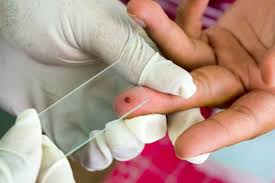
  • A drop of blood is examined under a microscope.
  • Detects parasites directly and identifies species.
  • Can estimate parasite density (percentage of infected red blood cells).
  • Requires skilled laboratory staff.

2. Rapid Diagnostic Tests (RDTs)

  • Detect malaria antigens in blood using test strips.
  • Provide results in 15–20 minutes.
  • Useful in areas without advanced labs.
  • Reported qualitatively: positive/negative.

3. Polymerase Chain Reaction (PCR)

  • Detects parasite DNA.
  • Highly sensitive and specific.
  • Used in research or reference labs, not routine care.

4. Serology

  • Detects antibodies against malaria.
  • Indicates past exposure, not active infection.


A Negative test is  indicated when no malaria parasites are detected while a positive test is  indicated when there is presence of parasites; species and parasite load reported. Parasite density is expressed as % of infected red blood cells or parasites per microliter (µL) of blood. Positive microscopy or Rapid Diagnostic Test (RDT) means that there active malaria infection requiring treatment. High parasite load is an indication of severe malaria and urgent medical intervention is required. It the test is Negative test but symptoms persist, repeated testing may be required, as parasites can fluctuate in the blood. Prevention matters include the use mosquito nets, repellents, and prophylactic medicines when traveling to high-risk areas.

Malaria tests are vital for early detection and proper treatment. The most reliable method is microscopy, but rapid tests are widely used for quick diagnosis. Results guide clinicians in choosing the right medication and preventing severe complications.

Urinalysis

Urine Test (Urinalysis)

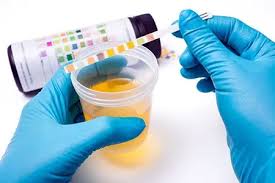
A urine test (urinalysis) is a simple, non-invasive test that examines the content and appearance of urine to help detect a wide range of health conditions, including infections, kidney disease, diabetes, and liver problems. A urine test or urinalysis involves analyzing a urine sample to check for substances that may indicate disease. It is one of the most common diagnostic tests because urine reflects how the body is functioning and can reveal problems in the kidneys, urinary tract, liver, and metabolism. The test is quick, painless, and often part of routine health check-ups.

The test is used to; Detect urinary tract infections (UTIs); Monitor kidney function and detect kidney disease; Screen for diabetes (by checking glucose levels); Assess liver function (bilirubin in urine); Detect blood in urine (hematuria); Monitor hydration status and overall health; Check for drug use or pregnancy (specialized urine tests).

 Types of Urine Tests

  1. Visual Examination
    • Checks color, clarity, and odor.
    • Normal urine is pale yellow and clear.
    • Cloudy or dark urine may indicate infection, dehydration, or liver disease.
  2. Dipstick Test
    • A chemically treated strip is dipped into urine.
    • Detects pH, protein, glucose, ketones, blood, bilirubin, nitrites, and leukocytes.
    • Results are semi-quantitative.
  3. Microscopic Examination
    • Urine is examined under a microscope.
    • Identifies cells, crystals, bacteria, or casts (structures formed in kidney tubules).
  4. 24-Hour Urine Collection
    • Measures substances over a full day (e.g., creatinine, protein, electrolytes).
    • Provides more accurate assessment of kidney function.

Typical values (may vary by lab):

Parameter Reference Ranges
pH 4.5 – 8.0
Specific Gravity 1.005 – 1.030
Protein <150 mg/day (≈ <0.15 g/day)
Glucose Negative
Ketones Negative
Bilirubin Negative
Urobilinogen 0.2 – 1.0 mg/dL (≈ 3.5 – 17 µmol/L)
Creatinine (24h urine) Men: 7–18 mmol/day; Women: 5–16 mmol/day

Protein in urine (proteinuria) may indicate kidney disease. Glucose in urine (glycosuria) suggests diabetes. Blood in urine could be due to infection, stones, or more serious conditions. High bilirubin may signal liver disease or bile duct obstruction. Abnormal pH can reflect infection or metabolic imbalance.

Urine tests are simple, inexpensive, and highly informative. They provide valuable insights into kidney, liver, and metabolic health. Abnormal results don’t always mean disease but should be interpreted by a healthcare professional in the context of your overall health.

Creatinine Test

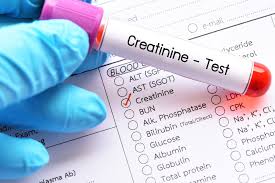
Creatinine is a natural waste product produced in the muscles during the breakdown of a compound called creatine, which plays a key role in energy production. Because muscles produce creatinine at a relatively constant rate, and kidneys are responsible for filtering it out of the bloodstream, measuring creatinine levels provides valuable information about how well the kidneys are functioning.

A creatinine test measures the amount of creatinine in the blood and/or urine. Since healthy kidneys are highly effective at removing creatinine from the body, elevated levels in the blood often indicate impaired kidney function. Conversely, low levels in urine may signal the that the kidneys are failing to filter waste properly.

Creatinine testing evaluate different aspects of the body’s metabolic and organ function and are frequently used during routine checkups, emergency evaluations, and hospital admissions. In some cases, creatinine is also included in a specialized renal panel, which focuses specifically on kidney health.

The creatinine test is usually ordered together with Blood Urea Nitrogen (BUN). While creatinine reflects muscle metabolism, BUN measures urea, a waste product from protein metabolism. Evaluating these two together helps clinicians gain a more complete picture of kidney performance.

A high creatinine level, especially when accompanied by an elevated BUN, can point to; Acute kidney injury; Chronic kidney disease; Dehydration; Kidney infections or blockages; Conditions affecting blood flow to the kidneys

Creatinine test may be requested  in: kidney disease, such as swelling, fatigue, or changes in urination; chronic illnesses known to damage kidneys, including diabetes, high blood pressure, or heart disease; those taking medications that may affect kidney function patients scheduled for imaging procedures like a CT scan or MRI that require contrast dyes which can be harmful if the kidneys are not working properly; monitoring to track the progression of kidney disease or response to treatment.

Kidneys are involved in the filtering of toxins and waste products from the blood. If they are not working well, creatinine builds up in the bloodstream. Early detection through routine creatinine testing can help prevent serious complications, including: Kidney failure; Fluid imbalance; Electrolyte disturbances; Cardiovascular complications. Individuals with chronic conditions, regular creatinine and BUN testing helps ensure timely adjustments in medication, diet, and overall treatment plans.

The test is a simple powerful tool used to evaluate  kidney health. Whether as part of a routine checkup, an emergency evaluation, or ongoing monitoring, it provides crucial insight into how effectively kidneys are filtering waste. Keeping creatinine levels within a healthy range is essential to overall well-being. The use of creatinine in early detection of kidney problems therefore can make treatment more effective.