
Chemichemi Health Services
Liver Function Tests

Liver Function Test (LFT)

Liver Function Tests (LFTs) are a group of blood tests that measure enzymes, proteins, and substances produced or processed by the liver. They help doctors assess liver health, detect damage, and monitor ongoing conditions.

The liver is a vital organ that processes nutrients, detoxifies harmful substances, produces bile for digestion, and makes proteins important for blood clotting. The check how well the liver is working and help detect conditions such as hepatitis, fatty liver disease, cirrhosis, or drug-induced injury.

LFT is requested to investigate symptoms like jaundice (yellowing of skin/eyes), fatigue, abdominal pain, or swelling. It may further may be used to monitor chronic liver diseases (e.g., hepatitis B and C) 0r check for side effects of medications that can affect the liver. Other reasons for the test include; assessing  alcohol-related damage and to evaluate overall health during routine check-ups.

A typical panel includes:

Test What It Measures Normal Range (SI Units)
Alanine aminotransferase (ALT) Enzyme released when liver cells are damaged 7–56 U/L
Aspartate aminotransferase (AST) Enzyme found in liver, heart, muscles 5–40 U/L
Alkaline phosphatase (ALP) Enzyme linked to bile ducts and bone 30–120 U/L
Gamma-glutamyl transferase (GGT) Enzyme linked to bile duct and alcohol use 10–60 U/L
Total Bilirubin Breakdown product of red blood cells 3–21 µmol/L
Direct Bilirubin Conjugated bilirubin processed by liver 0–7 µmol/L
Albumin Protein made by the liver 35–50 g/L
Total Protein Albumin + globulins 60–80 g/L
Prothrombin Time (PT/INR) Blood clotting ability INR ~1.0 (normal)
  • High ALT/AST: Suggests liver cell injury (hepatitis, alcohol damage, medication side effects).
  • High ALP/GGT: May indicate bile duct obstruction, gallstones, or heavy alcohol use.
  • High Bilirubin: Causes jaundice; linked to liver disease or bile duct blockage.
  • Low Albumin/Protein: May reflect chronic liver disease or malnutrition.
  • Abnormal PT/INR: Suggests impaired liver’s ability to make clotting factors.

Factors that affect results include medications (e.g., statins, antibiotics, anti-seizure drugs), alcohol consumption, diet, exercise, Pregnancy (can alter ALP) and other conditions like heart disease or  bone disorders.

No special preparation is usually needed, but patients are advised to follow the advice from the health practitioner. The patient should provide details on all medications and supplements. In addition  alcoholic drinks should be avoided before the test for accurate results. Repeat testing may be needed to monitor changes over time.

Liver Function Tests are therefore simple blood tests that provide critical insights into liver health. Abnormal values don’t always mean serious disease, but they should be interpreted by a healthcare professional in the context of your overall health, lifestyle, and medical history.
Erythrocyte Sedimentation Rate (ESR) Test:

Erythrocyte Sedimentation Rate (ESR)

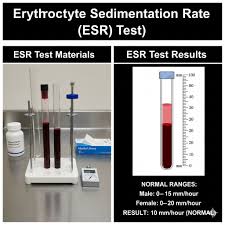
The Erythrocyte Sedimentation Rate (ESR) test is a simple blood test that helps detect inflammation in the body. It measures how quickly red blood cells settle in a tube over one hour, expressed in millimeters per hour(mm/hr). Erythrocytes are red blood cells that carry oxygen throughout the body. When blood is placed in a tall, thin test tube, red cells gradually settle to the bottom. The sedimentation rate reflects how fast this happens. Inflammation causes proteins (like fibrinogen) to make red cells clump together, so they sink faster. Thus, ESR is a nonspecific marker of inflammation.

Test is used to detect inflammation due to infection, autoimmune disease, or cancer, monitor chronic inflammatory conditions such as rheumatoid arthritis, lupus or temporal arteritis. It also essential to assess response on treatment in inflammatory diseases. Further the test can be used to investigate symptoms like prolonged fever, weight loss, or joint pain.

During the test, a blood sample is drawn from the vein. The sample is placed in a vertical tube (Westergren or Wintrobe method). The distance red blood cells fall in one hour is measured in millimeters per hour (mm/h). There are no special preparation (like fasting) required.

Reference ranges vary slightly by lab, but typical values are:

Group Normal ESR (mm/h)
Men (under 50 years) 0 – 15 mm/h
Women (under 50 years) 0 – 20 mm/h
Men (over 50 years) 0 – 20 mm/h
Women (over 50 years) 0 – 30 mm/h
Children 0 – 10 mm/h
Newborns 0 – 2 mm/h

High ESR values can indicate the presence of Infections (e.g., tuberculosis), autoimmune diseases (e.g., rheumatoid arthritis, lupus), cancers (especially blood cancers), chronic kidney disease or pregnancy (mildly elevated is normal). Low ESR values may be caused by polycythemia (too many red blood cells), sickle cell anemia and abnormal red cell shapes (affect settling). ESR is nonspecific therefore a high result does not pinpoint the exact cause and can only signal that inflammation may be present. No fasting is needed; eat and drink normally.  Medications such as some (like steroids or NSAIDs) can affect ESR results. Repeat testing may be required to monitor trends over time. ESR is often combined with other tests (like C-reactive protein, CRP) for a clearer picture.

The ESR test is a simple, inexpensive blood test that helps detect and monitor inflammation. ESR is not a diagnostic test on its own, results must be interpreted alongside other tests and your clinical history.

Malaria

Malaria Test

Malaria tests are blood tests used to detect malaria parasites in the body. They are essential for early diagnosis, guiding treatment, and preventing complications. Malaria is a serious infection caused by Plasmodium parasites, transmitted through the bite of infected Anopheles mosquitoes. Common symptoms include fever, chills, headache, muscle pain, and fatigue. Severe malaria can cause organ failure and death if untreated. Because malaria symptoms can resemble flu or other infections, testing is crucial for accurate diagnosis.

 The test is used to; Confirm whether symptoms are due to malaria or another illness; identify the specific parasite species (Plasmodium falciparum, vivax, ovale, malariae, or knowlesi); determine the severity of infection (parasite load); guide appropriate treatment and monitor response; screen travelers returning from malaria-endemic regions.

Types of Malaria Tests

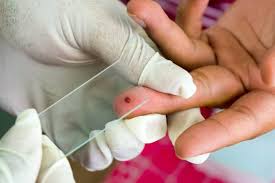
1. Microscopy (Blood Smear) – Gold Standard

  • A drop of blood is examined under a microscope.
  • Detects parasites directly and identifies species.
  • Can estimate parasite density (percentage of infected red blood cells).
  • Requires skilled laboratory staff.

2. Rapid Diagnostic Tests (RDTs)

  • Detect malaria antigens in blood using test strips.
  • Provide results in 15–20 minutes.
  • Useful in areas without advanced labs.
  • Reported qualitatively: positive/negative.

3. Polymerase Chain Reaction (PCR)

  • Detects parasite DNA.
  • Highly sensitive and specific.
  • Used in research or reference labs, not routine care.

4. Serology

  • Detects antibodies against malaria.
  • Indicates past exposure, not active infection.


A Negative test is  indicated when no malaria parasites are detected while a positive test is  indicated when there is presence of parasites; species and parasite load reported. Parasite density is expressed as % of infected red blood cells or parasites per microliter (µL) of blood. Positive microscopy or Rapid Diagnostic Test (RDT) means that there active malaria infection requiring treatment. High parasite load is an indication of severe malaria and urgent medical intervention is required. It the test is Negative test but symptoms persist, repeated testing may be required, as parasites can fluctuate in the blood. Prevention matters include the use mosquito nets, repellents, and prophylactic medicines when traveling to high-risk areas.

Malaria tests are vital for early detection and proper treatment. The most reliable method is microscopy, but rapid tests are widely used for quick diagnosis. Results guide clinicians in choosing the right medication and preventing severe complications.