Chemichemi Health Services
Urinalysis

Urine Test (Urinalysis)

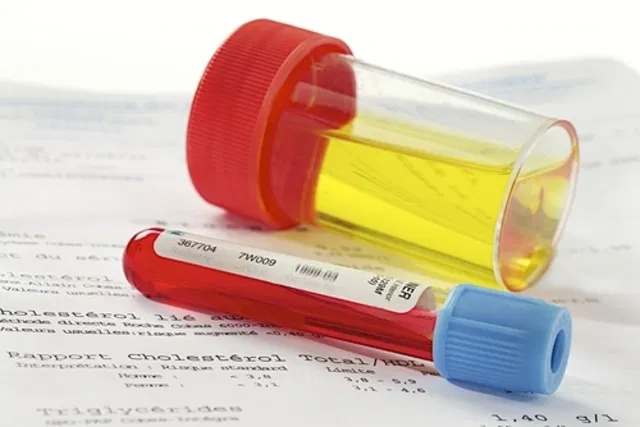
A urine test (urinalysis) is a simple, non-invasive test that examines the content and appearance of urine to help detect a wide range of health conditions, including infections, kidney disease, diabetes, and liver problems. A urine test or urinalysis involves analyzing a urine sample to check for substances that may indicate disease. It is one of the most common diagnostic tests because urine reflects how the body is functioning and can reveal problems in the kidneys, urinary tract, liver, and metabolism. The test is quick, painless, and often part of routine health check-ups.

The test is used to; Detect urinary tract infections (UTIs); Monitor kidney function and detect kidney disease; Screen for diabetes (by checking glucose levels); Assess liver function (bilirubin in urine); Detect blood in urine (hematuria); Monitor hydration status and overall health; Check for drug use or pregnancy (specialized urine tests).

 Types of Urine Tests

  1. Visual Examination
    • Checks color, clarity, and odor.
    • Normal urine is pale yellow and clear.
    • Cloudy or dark urine may indicate infection, dehydration, or liver disease.
  2. Dipstick Test
    • A chemically treated strip is dipped into urine.
    • Detects pH, protein, glucose, ketones, blood, bilirubin, nitrites, and leukocytes.
    • Results are semi-quantitative.
  3. Microscopic Examination
    • Urine is examined under a microscope.
    • Identifies cells, crystals, bacteria, or casts (structures formed in kidney tubules).
  4. 24-Hour Urine Collection
    • Measures substances over a full day (e.g., creatinine, protein, electrolytes).
    • Provides more accurate assessment of kidney function.

Typical values (may vary by lab):

Parameter Reference Ranges
pH 4.5 – 8.0
Specific Gravity 1.005 – 1.030
Protein <150 mg/day (≈ <0.15 g/day)
Glucose Negative
Ketones Negative
Bilirubin Negative
Urobilinogen 0.2 – 1.0 mg/dL (≈ 3.5 – 17 µmol/L)
Creatinine (24h urine) Men: 7–18 mmol/day; Women: 5–16 mmol/day

Protein in urine (proteinuria) may indicate kidney disease. Glucose in urine (glycosuria) suggests diabetes. Blood in urine could be due to infection, stones, or more serious conditions. High bilirubin may signal liver disease or bile duct obstruction. Abnormal pH can reflect infection or metabolic imbalance.

Urine tests are simple, inexpensive, and highly informative. They provide valuable insights into kidney, liver, and metabolic health. Abnormal results don’t always mean disease but should be interpreted by a healthcare professional in the context of your overall health.

Creatinine Test

Creatinine is a natural waste product produced in the muscles during the breakdown of a compound called creatine, which plays a key role in energy production. Because muscles produce creatinine at a relatively constant rate, and kidneys are responsible for filtering it out of the bloodstream, measuring creatinine levels provides valuable information about how well the kidneys are functioning.

A creatinine test measures the amount of creatinine in the blood and/or urine. Since healthy kidneys are highly effective at removing creatinine from the body, elevated levels in the blood often indicate impaired kidney function. Conversely, low levels in urine may signal the that the kidneys are failing to filter waste properly.

Creatinine testing evaluate different aspects of the body’s metabolic and organ function and are frequently used during routine checkups, emergency evaluations, and hospital admissions. In some cases, creatinine is also included in a specialized renal panel, which focuses specifically on kidney health.

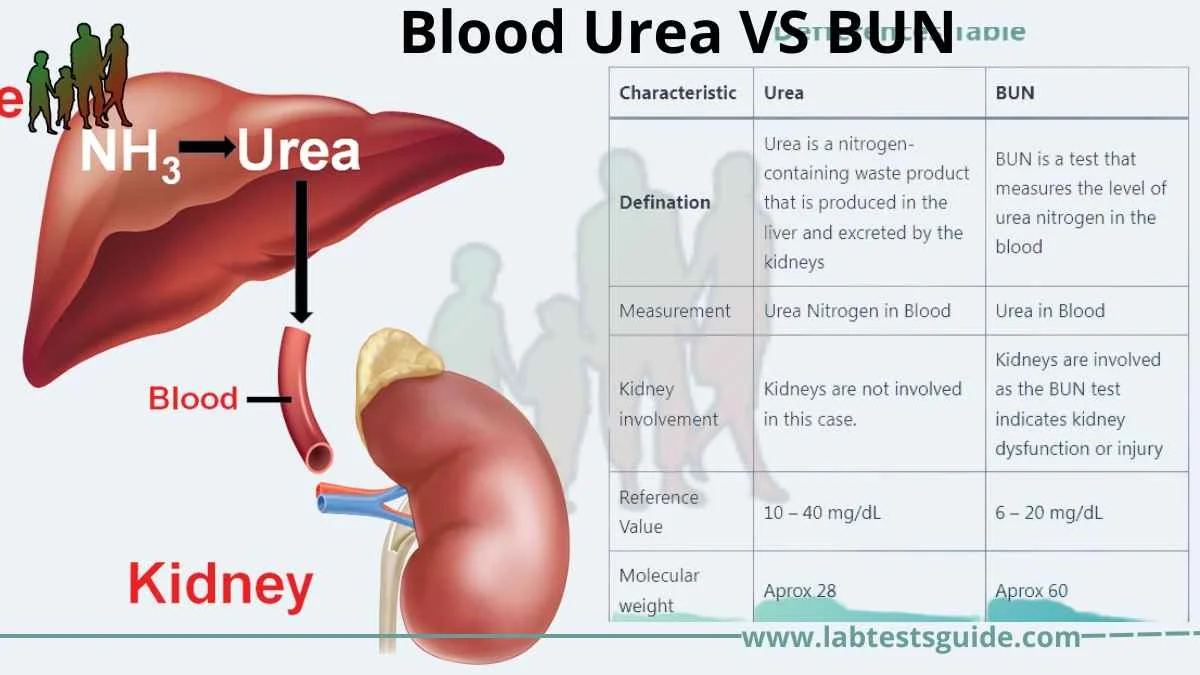
The creatinine test is usually ordered together with Blood Urea Nitrogen (BUN). While creatinine reflects muscle metabolism, BUN measures urea, a waste product from protein metabolism. Evaluating these two together helps clinicians gain a more complete picture of kidney performance.

A high creatinine level, especially when accompanied by an elevated BUN, can point to; Acute kidney injury; Chronic kidney disease; Dehydration; Kidney infections or blockages; Conditions affecting blood flow to the kidneys

Creatinine test may be requested  in: kidney disease, such as swelling, fatigue, or changes in urination; chronic illnesses known to damage kidneys, including diabetes, high blood pressure, or heart disease; those taking medications that may affect kidney function patients scheduled for imaging procedures like a CT scan or MRI that require contrast dyes which can be harmful if the kidneys are not working properly; monitoring to track the progression of kidney disease or response to treatment.

Kidneys are involved in the filtering of toxins and waste products from the blood. If they are not working well, creatinine builds up in the bloodstream. Early detection through routine creatinine testing can help prevent serious complications, including: Kidney failure; Fluid imbalance; Electrolyte disturbances; Cardiovascular complications. Individuals with chronic conditions, regular creatinine and BUN testing helps ensure timely adjustments in medication, diet, and overall treatment plans.

The test is a simple powerful tool used to evaluate  kidney health. Whether as part of a routine checkup, an emergency evaluation, or ongoing monitoring, it provides crucial insight into how effectively kidneys are filtering waste. Keeping creatinine levels within a healthy range is essential to overall well-being. The use of creatinine in early detection of kidney problems therefore can make treatment more effective.