
Registrations have closed.
Creatinine Clearance Essentials: History, Methods, and Clinical Application
by
576 576 people viewed this event.
Purpose of the Session
This webinar aims to highlight the historical evolution, methodological principles, and current clinical relevance of creatinine clearance (CrCl) testing, with emphasis on its role in medical laboratory practice.
Key Objectives
- Trace Historical Milestones: From Jaffe’s 1886 colorimetric reaction to Rehberg’s exogenous clearance (1926), Ferro-Luzzi’s endogenous breakthrough (1930s), and the eventual rise of eGFR formulas.
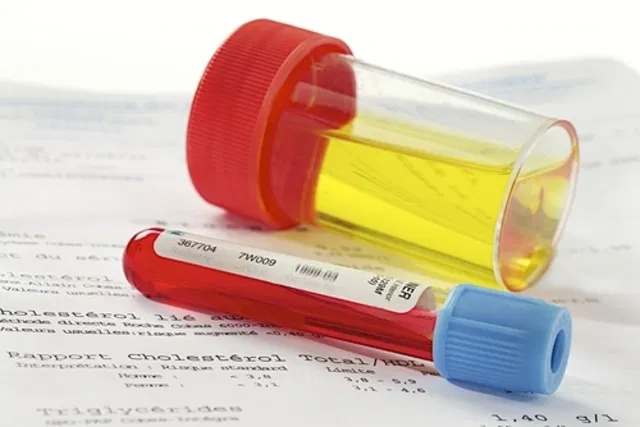
- Explain Laboratory Methodology: Review the technical steps of the 24-hour urine collection, blood sampling, and calculation formula used to derive CrCl.
- Interpret Clinical Values: Discuss normal ranges, adjustments for body surface area, and laboratory reporting standards.
- Highlight Clinical Applications: Demonstrate how CrCl supports diagnosis of CKD/AKI, guides drug dosing, and remains essential in special populations (pediatrics, extremes of body size).
- Contrast with Modern Practice: Explore how eGFR formulas (Cockcroft-Gault, CKD-EPI) have simplified workflows, while CrCl retains niche importance in laboratory diagnostics