
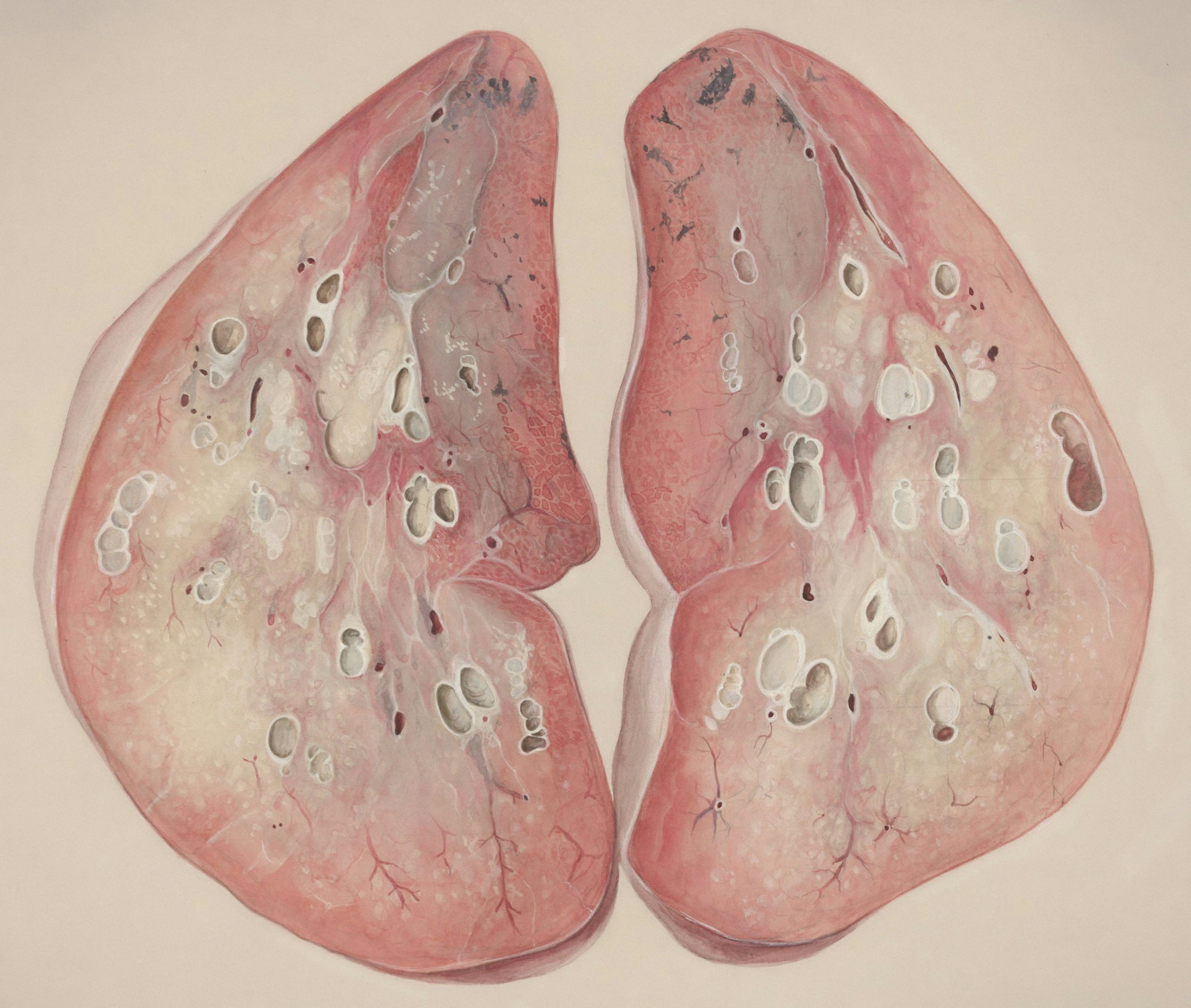
Liver Function Test (LFT)
Liver Function Tests (LFTs) are a group of blood tests that measure enzymes, proteins, and substances produced or processed by the liver. They help doctors assess liver health, detect damage, and monitor ongoing conditions.
The liver is a vital organ that processes nutrients, detoxifies harmful substances, produces bile for digestion, and makes proteins important for blood clotting. The check how well the liver is working and help detect conditions such as hepatitis, fatty liver disease, cirrhosis, or drug-induced injury.
LFT is requested to investigate symptoms like jaundice (yellowing of skin/eyes), fatigue, abdominal pain, or swelling. It may further may be used to monitor chronic liver diseases (e.g., hepatitis B and C) 0r check for side effects of medications that can affect the liver. Other reasons for the test include; assessing alcohol-related damage and to evaluate overall health during routine check-ups.
A typical panel includes:
| Test | What It Measures | Normal Range (SI Units) |
|---|---|---|
| Alanine aminotransferase (ALT) | Enzyme released when liver cells are damaged | 7–56 U/L |
| Aspartate aminotransferase (AST) | Enzyme found in liver, heart, muscles | 5–40 U/L |
| Alkaline phosphatase (ALP) | Enzyme linked to bile ducts and bone | 30–120 U/L |
| Gamma-glutamyl transferase (GGT) | Enzyme linked to bile duct and alcohol use | 10–60 U/L |
| Total Bilirubin | Breakdown product of red blood cells | 3–21 µmol/L |
| Direct Bilirubin | Conjugated bilirubin processed by liver | 0–7 µmol/L |
| Albumin | Protein made by the liver | 35–50 g/L |
| Total Protein | Albumin + globulins | 60–80 g/L |
| Prothrombin Time (PT/INR) | Blood clotting ability | INR ~1.0 (normal) |
- High ALT/AST: Suggests liver cell injury (hepatitis, alcohol damage, medication side effects).
- High ALP/GGT: May indicate bile duct obstruction, gallstones, or heavy alcohol use.
- High Bilirubin: Causes jaundice; linked to liver disease or bile duct blockage.
- Low Albumin/Protein: May reflect chronic liver disease or malnutrition.
- Abnormal PT/INR: Suggests impaired liver’s ability to make clotting factors.
Factors that affect results include medications (e.g., statins, antibiotics, anti-seizure drugs), alcohol consumption, diet, exercise, Pregnancy (can alter ALP) and other conditions like heart disease or bone disorders.
No special preparation is usually needed, but patients are advised to follow the advice from the health practitioner. The patient should provide details on all medications and supplements. In addition alcoholic drinks should be avoided before the test for accurate results. Repeat testing may be needed to monitor changes over time.
Liver Function Tests are therefore simple blood tests that provide critical insights into liver health. Abnormal values don’t always mean serious disease, but they should be interpreted by a healthcare professional in the context of your overall health, lifestyle, and medical history.